Applied Interactive Multimedia Lab · NYU Abu Dhabi

Working with diverse facets of interactive media and haptics

We study how the brain encodes touch, and we build haptic systems that sense, interpret, and deliver meaningful tactile experiences, from neurohaptics to XR training simulators.

Explore our research
AIM LAB / NYU ABU DHABI

Introduction

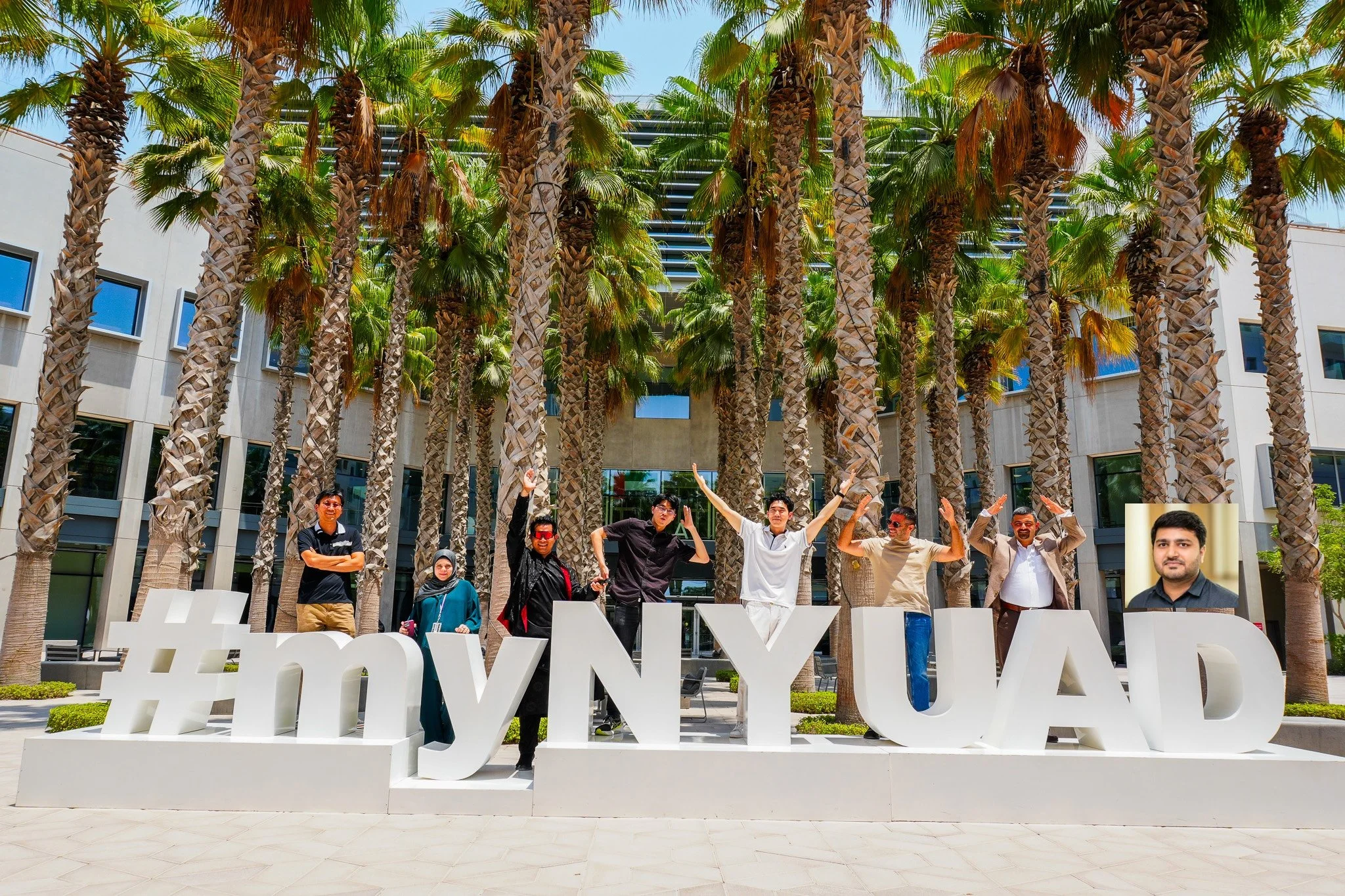
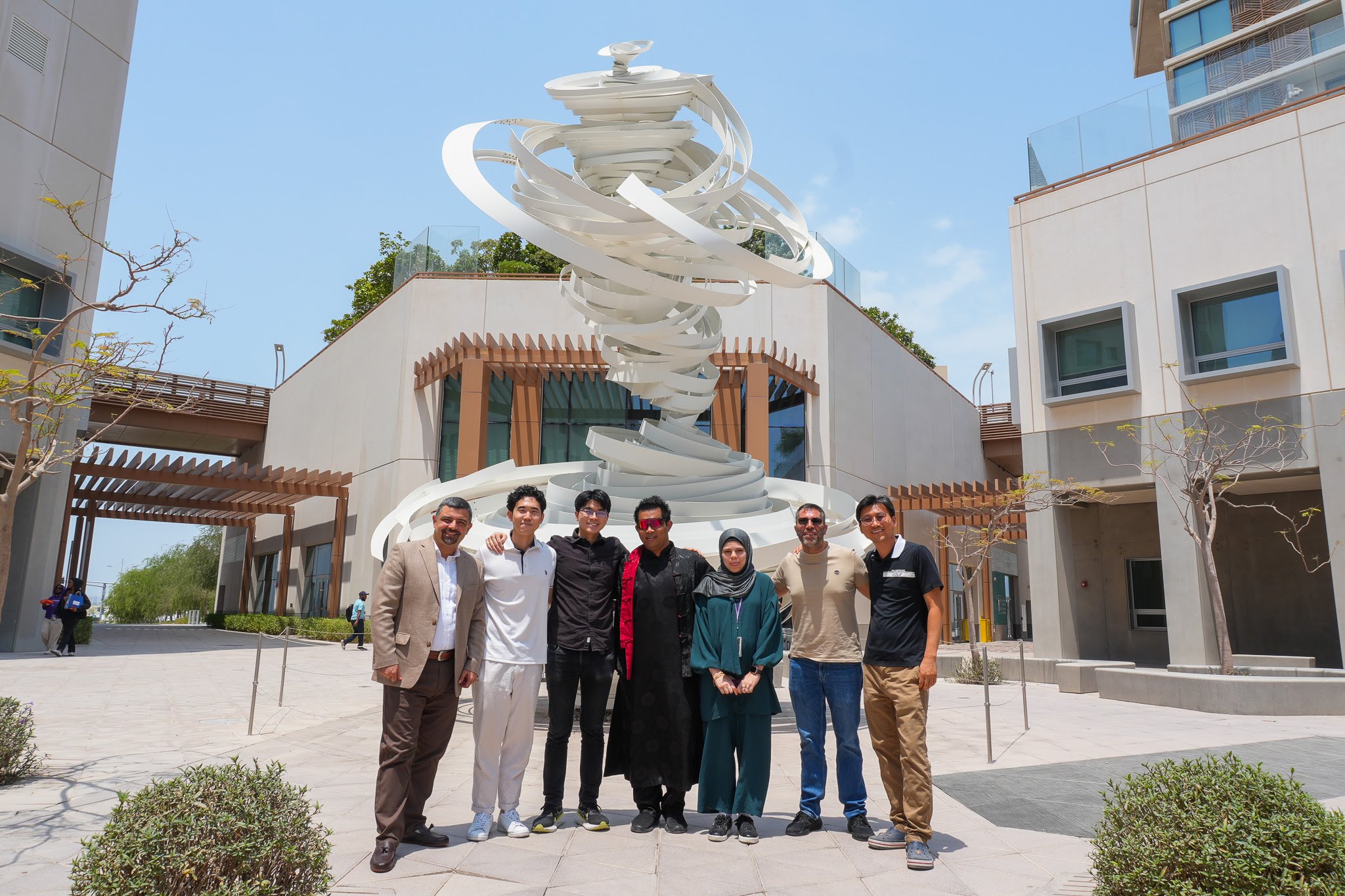
AIM Lab team at NYU Abu Dhabi

The Applied Interactive Media (AIM) Lab is a research group that works across diverse facets of neurohaptics, cognitive haptic interaction, and brain-machine interfaces. Using electroencephalography (EEG) alongside machine learning and novel haptic devices, the lab investigates how the brain encodes touch, and how that understanding can inform the design of systems that sense, interpret, and deliver meaningful tactile experiences. Applications include biofeedback, neurorehabilitation, and medical training and education. The core research pillars are:

  • EEG-based Neurohaptics: Investigates the neural correlates of tactile and kinesthetic experiences, such as vibrotactile, electrotactile, thermal, and pressure modalities, using EEG signals, functional connectivity analysis, and deep learning classifiers trained on single-trial data. Applications are in neurorehabilitation and biofeedback.
  • Cognitive haptic interfaces: Develops haptic systems that adapt in real time to a user’s cognitive state inferred from EEG, building neurophysiology-driven models of haptic experience that move beyond self-report to enable closed-loop, brain-machine interaction.
  • Affective Haptics: Explores how touch conveys and modulates emotion, spanning EEG-based emotion classification, haptic feedback for pain distraction, vibrotactile stimulation for emotional regulation, and mediated social touch in virtual and remote environments.
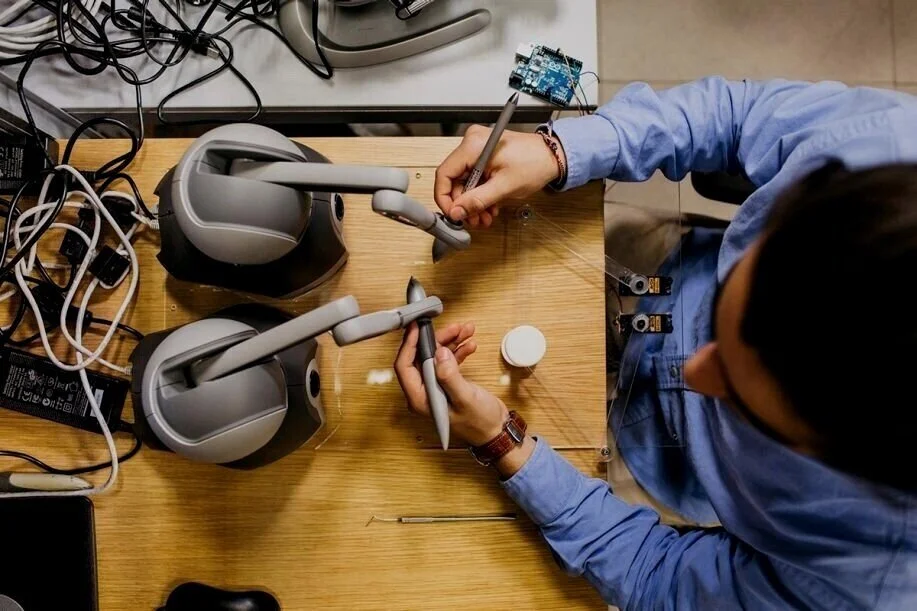
  • Haptic/XR Simulations for Training and Education: XR and haptic simulations for clinical skill acquisition, including Haptodont, a bi-manual periodontal probing simulator that renders tactile sensations, such as tissue resistance, texture, and stiffness, and a custom haptic syringe for VR-based local anesthesia training, developed in collaboration with NYU dental faculty.

Latest News

All news →